
Ownership & Maintenance
Winter Storage Checklist for Classic and Retro Cars
·admin
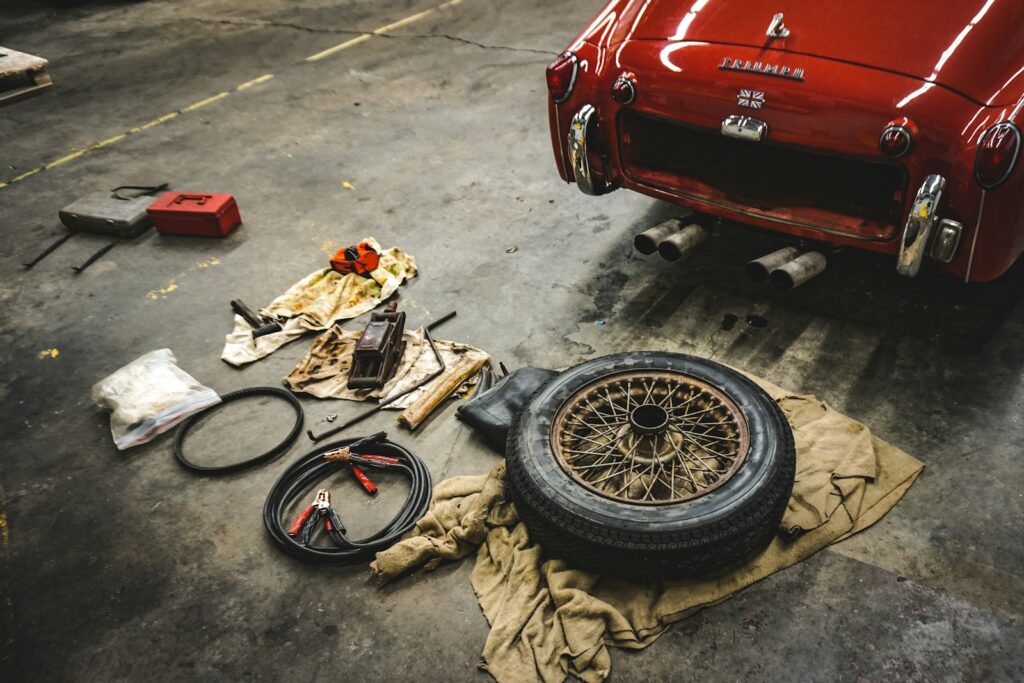
Winter storage is not simply a matter of putting a cover over the car and returning in spring. Moisture, stale fuel, discharged batteries, flat-spotted tyres and rodents can cause more damage during a few stationary months than regular summer use. The aim is to store the car clean, dry, ventilated and ready to return to service.
Choose the driest space available
A secure, well-ventilated garage is ideal. Constant damp is generally worse than cold. If the building suffers from condensation, improve airflow and consider a dehumidifier with safe drainage. Avoid sealing a wet car beneath a non-breathable cover.
Use a clean, breathable indoor cover that will not trap moisture or rub against dirty paint. Outdoor covers need secure fastenings and regular checks because movement in the wind can mark paint surprisingly quickly.
Clean before storage
Wash the body, wheelarches and underside, then allow the car to dry fully. Remove mud from ledges and drainage points. Apply a suitable wax to exposed paint and protect chrome. Clean the wheels without leaving aggressive cleaner trapped around fixings.
Vacuum the cabin and remove food, damp mats and anything that might attract rodents. Leave the interior dry and, where secure, allow a small amount of ventilation.
Decide how to manage the fuel
Advice varies with the car, tank material, storage duration and fuel type. A fuller metal tank reduces the air space in which condensation can form, while fuel stabiliser may help during longer storage. Use a product suitable for the fuel and follow its instructions rather than guessing the dose.
If your petrol classic is sensitive to ethanol, use the government’s E10 compatibility information as a starting point and seek model-specific advice. Inspect flexible fuel hoses regularly: age and material compatibility matter more than appearance alone.
Protect the battery
A modern maintenance charger is usually the simplest approach where power is safely available. It should be suitable for the battery type and connected according to the manufacturer’s instructions. Otherwise, disconnect and periodically charge the battery in a ventilated location.
Do not repeatedly start the engine for a few minutes. A short idle may add moisture to the exhaust and oil without bringing the drivetrain fully to operating temperature. Either prepare the car for storage or take it on a proper drive when road, weather and insurance conditions allow.
Tyres, brakes and suspension
- Inflate tyres to the vehicle manufacturer’s storage recommendation, or slightly above normal road pressure within the tyre’s safe limit.
- Move the car periodically or use tyre cradles if flat spotting is a concern.
- Do not leave the handbrake applied for months if it may seize. Use wheel chocks on level ground.
- Avoid leaving the suspension hanging on stands unless the car’s construction and storage plan specifically call for it.
Fluids and mechanical protection
Change contaminated engine oil before a long lay-up if it is already due. Check coolant strength and condition, not just its level. Verify that brake and clutch fluid changes are up to date, and investigate leaks before storage rather than leaving empty cardboard underneath as the only plan.
Plugging exhaust and intake openings can discourage pests, but attach a prominent reminder so every plug is removed before the engine is started.
During storage
Inspect the car every few weeks. Look for condensation, leaks, disturbed insulation, pest activity and changes in tyre pressure. Check the charger and dehumidifier rather than assuming they are still operating.
Returning to the road
Before the first spring drive, remove storage plugs and chocks, check fluids and tyres, inspect hoses and wiring, and test the brakes at very low speed. Confirm that the insurance, MOT and vehicle tax position is correct for the individual car. A gentle first journey is the time to listen, feel and look for anything that has changed.
Featured photograph by Tory Bishop on Unsplash.
Leave a Reply