
Events & Shows
Your First Classic Car Show: What to Bring and How to Prepare
·admin
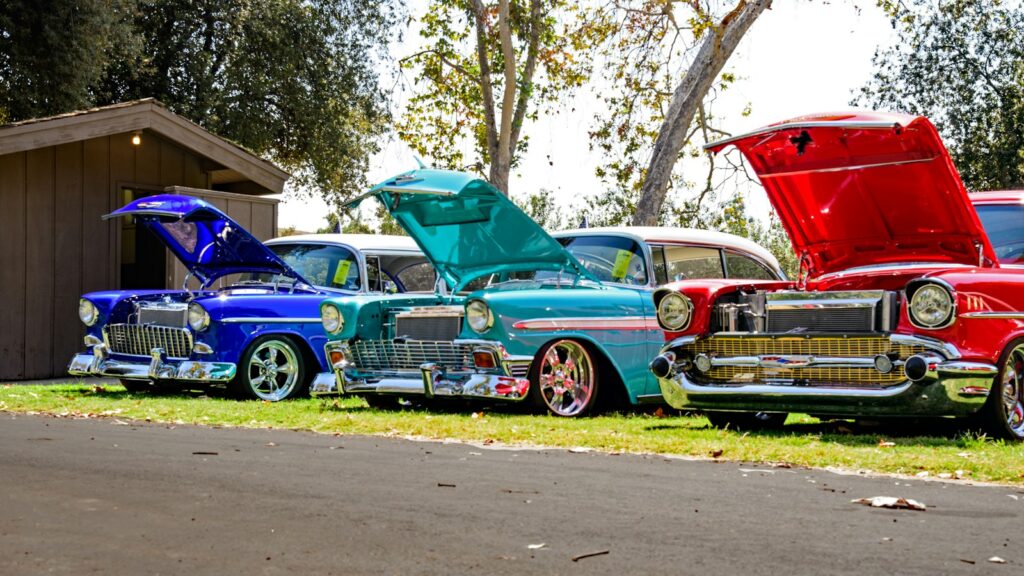
Taking your own car to a classic show is very different from arriving as a spectator. You become part of the event, people stop to ask questions and even an ordinary surviving car can attract as much interest as a concours winner. A little preparation makes the day more enjoyable.
Confirm what the organiser expects
Check the entry rules before leaving home. Some events impose an age cut-off, allocate club areas or require a windscreen pass to be displayed before arrival. Others have fixed entry and departure times because public movement among display vehicles has to be controlled.
Save the confirmation email and venue instructions to your phone, but also print the pass if the organiser requests it. Mobile signals can be poor at showgrounds.
Give the car a sensible check
A show does not require a perfect car, but it does require a safe and dependable one. In the week beforehand, check:
- Tyre pressures and condition, including the spare.
- Engine oil, coolant, brake fluid and screen wash.
- Battery condition and charging.
- Lights, indicators, wipers and horn.
- Visible fuel, coolant and oil leaks.
- Breakdown cover and insurance details.
Do not introduce a major mechanical change the night before the event. A familiar minor imperfection is preferable to discovering on the journey that a hurried repair has created a new problem.
What to carry
A compact show-day kit can live permanently in the boot:
- Microfibre cloths and a quick-detailing spray.
- Glass cleaner and disposable gloves.
- A tyre inflator, pressure gauge and basic tools.
- Jump pack or correctly rated jump leads.
- Water, sun cream, waterproof clothing and a folding chair.
- A small drip tray or absorbent mat if the vehicle marks its territory.
- A fire extinguisher suitable for vehicle use.
A simple information board is worthwhile. Include the model, year, engine and a few lines about the car’s history. Avoid displaying your home address, full document copies or anything that creates an unnecessary security risk.
Prepare for arrival
Fill with fuel before reaching the venue, because queues and repeated low-speed manoeuvring are hard on older cooling systems. If possible, arrive with another car or club member, but do not hold up traffic trying to maintain a convoy through every junction.
At the display area, follow marshals and keep walking speed. Once parked, use the handbrake only if you know it will release reliably after standing; wheel chocks are a useful alternative on suitable ground.
Presentation without obsession
A clean car is welcoming, but patina is part of classic motoring. Concentrate on windows, wheels, number plates and obvious road dirt. Do not feel obliged to hide evidence of use. Visitors often connect more strongly with a car that has a story than one surrounded by barriers and warning signs.
Talk to people
The best part of a show is usually the conversation. Someone may have built your car, owned one when new or know the solution to a fault that has been bothering you for months. Be open about the work still to do and let children look—while politely asking them not to touch fragile parts.
Plan the journey home
Shows can be tiring. Drink water, eat properly and avoid rushing to join the first wave leaving the field. Before departure, check beneath the car, remove any display board and confirm that nothing has been left on the roof or under a wheel.
Looking for somewhere to take your car? Browse the Retro Motors UK and European events calendar, or tell us about a local show that should be included.
Featured photograph by Mark Duffel on Unsplash.
Leave a Reply