
Modern Classics
Modern Classics: Why Cars from the 1980s and 1990s Matter
·admin
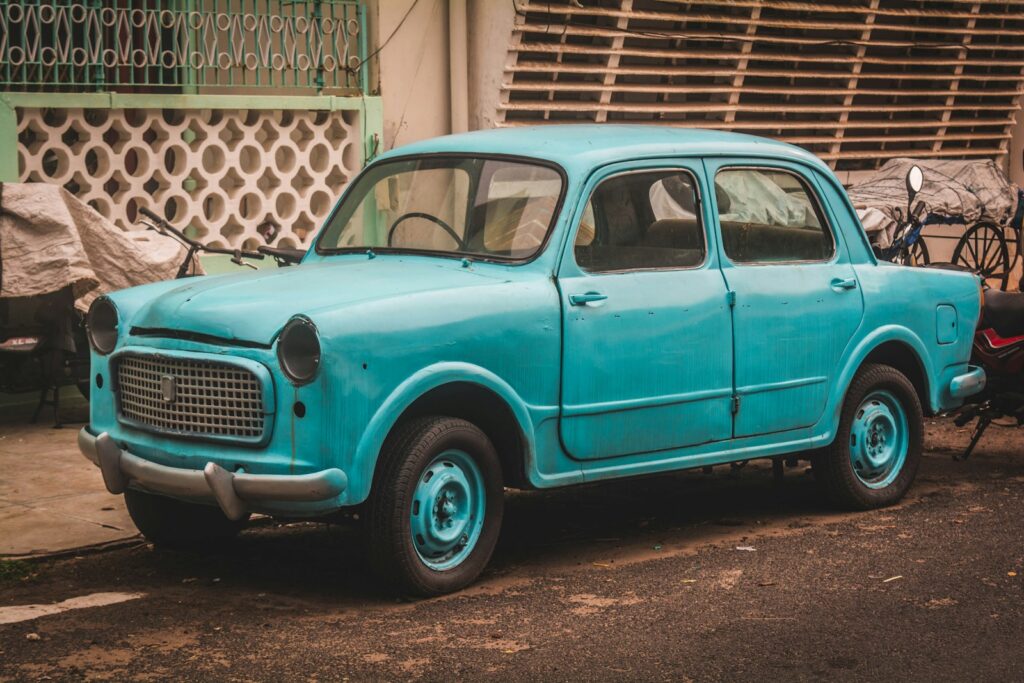
The definition of a classic car has never stood still. Cars that were once dismissed as ordinary used transport eventually become rare, evocative and historically important. That process is now happening to vehicles from the 1980s and 1990s—and it is changing the shape of the classic-car world.
Nostalgia has moved forward
People often become interested in the cars that surrounded them when they were young. For today’s enthusiasts, that can mean a Ford Sierra, Peugeot 205, Vauxhall Cavalier, BMW E30, Volkswagen Golf, Rover 800 or one of the Japanese performance cars that defined the 1990s.
The appeal is not limited to expensive halo models. A carefully preserved family hatchback can generate more conversation at a show than a familiar prestige classic because visitors remember learning to drive in one, being taken to school in one or watching them disappear from the roads.
A distinctive technological period
Cars from these decades sit between two worlds. Many retain hydraulic steering, relatively low weight, simple controls and engines that can be understood without a laptop. At the same time, electronic fuel injection, turbocharging, anti-lock braking and increasingly sophisticated engine management became mainstream.
That mixture gives modern classics a character of their own. They can feel analogue compared with a new car while remaining practical enough for a weekend away or a long motorway journey.
Survival is becoming the challenge
Mass production does not guarantee long-term survival. Everyday cars were used hard, modified, crashed or scrapped when repair costs exceeded their value. Rust protection improved, but complex trim, model-specific electronics and plastic components can now be harder to source than mechanical service items.
This is why originality and completeness matter. Missing badges, interior fabrics, body mouldings, wheels and control modules can be surprisingly difficult to replace. A cosmetically scruffy but complete car may be a better starting point than a shiny example assembled from incorrect parts.
What makes a convincing modern classic?
There is no single formula, but several qualities tend to strengthen a car’s case:
- A design that clearly represents its era.
- Strong cultural, sporting or technical significance.
- An enthusiastic owner community and reasonable parts knowledge.
- Rarity created by low survival rather than simply low production.
- A driving experience that feels different from a modern replacement.
- Good documentation and an identifiable original specification.
Performance versions naturally attract attention, but history is broader than horsepower. Diesels, estates, small hatchbacks and former fleet cars can tell an equally valuable story about how Britain and Europe actually travelled.
Buy for enjoyment, not a promised return
Predictions about “the next investment classic” should be treated cautiously. Storage, insurance, maintenance and restoration can easily absorb any increase in value. Fashion also changes.
The strongest reason to own a modern classic is that you like the car. Choose something you will use, maintain and preserve. Condition is often more important than specification, and a specialist inspection is sensible for cars with known corrosion or complex electronics.
Preserving the ordinary matters
Car culture loses something when only the most expensive models survive. A standard hot hatch, an unmodified executive saloon or a once-common Japanese coupé can provide a more honest connection to its period than a collection made entirely from poster cars.
That is why modern classics belong at established shows, club gatherings and museums. They broaden the audience, bring in younger owners and ensure that the story of motoring includes the cars people actually lived with.
Explore the Retro Motors events calendar to find shows welcoming retro and modern-classic vehicles.
Featured photograph by rishi on Unsplash.
Leave a Reply